sabotage
US /ˈsæbəˌtɑʒ/
・UK /'sæbətɑ:ʒ/
B2 中上級
v.t.他動詞妨害する
The spies wanted to sabotage the sensitive equipment
n. (c./u.)名詞 (可算/不可算)妨害
I believe that Andy is trying to sabotage my plans
動画字幕
裏切られたら、仕返しする! (Fill in the BLANK.... You CHEAT on me... I BLANK you!)

- I sabotage him.
ディディー:いい答えだ!
- I sabotage him.
スティーブ:わかったよ。こんにちは、カッシー。
自己肯定感を損なう7つの悪い習慣 (7 Bad Habits That Are Destroying Your Self-Esteem)
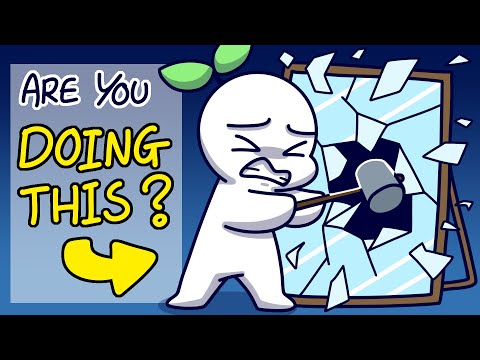
- It's a form of self sabotage, because the more you're complimenting their good traits, the more you're contrasting them to your own and once you feel that you are not the same as them, you end up developing a negative self image.
相手の良いところを褒めれば褒めるほど、自分の良いところと対比してしまい、「自分は相手と同じではない」と感じてしまうと、結局はネガティブなセルフイメージを育ててしまうという、一種の自己妨害に陥ってしまうのです。
- It's a form of self-sabotage because the more you're complimenting their good traits, the more you're contrasting them to your own.
下のコメント欄で教えてください。
パスポートの3000年の歴史 | BBC Global (The 3,000-year-old history of the passport | BBC Global)
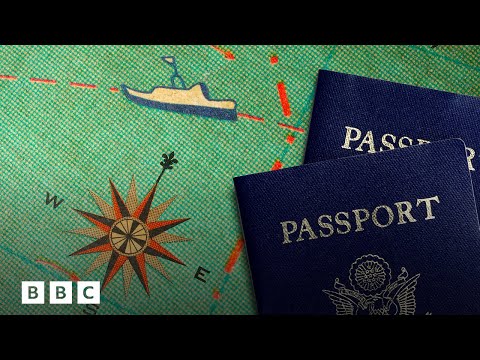
- The passport as we know it doesn't really emerge until the 20th century during the First World War, when concerns about sabotage and spying and so forth, concerns related to the war, led nation states to reimpose passport controls.
私たちが知っているようなパスポートが実際に登場するのは、20世紀の第一次世界大戦中のことで、戦争に関連した破壊工作やスパイ行為などへの懸念から、各国はパスポートの管理を再び強化するようになった。
- The passport as we know it doesn't really emerge until the 20th century, during the First World War, when concerns about sabotage and spying and so forth, concerns related to the war, led nation-states to reimpose passport controls.
北朝鮮の奇妙でひどいスマートフォン (The Weird, Terrible Smartphones They Only Have in North Korea)
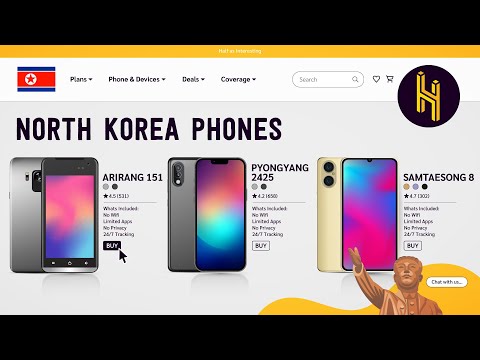
- We really like shows that have, you know, like a sabotage element, but there's already, like, so many that have a saboteur.
私たちは妨害工作のような要素がある番組がとても好きなんだけど、妨害工作員が登場する番組はもうたくさんある。
- We really like shows that have, you know, like a sabotage element, but there's already like so many that have a saboteur.
車だよ!

愛を避けるためにどこまでやるのか (The Lengths We Go To Avoid Love)
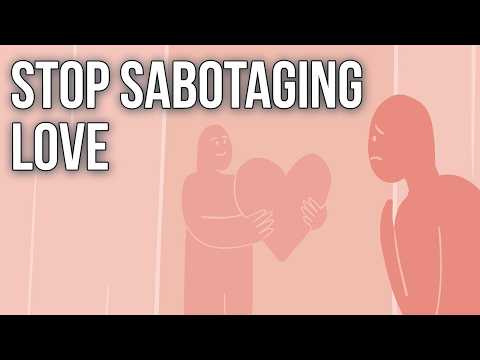
- The idea of trying to avoid love sounds paradoxical in the extreme. Why would anyone take steps to deny themselves an experience which seems so plainly positive and life-enhancing? Plenty of people are denied love by external forces. Why would anyone take active measures to sabotage love if it lay before them? The answer can only be found by looking back in time. Though we all crave love in theory, our capacity to accept it in practice is critically dependent on the quality of our early emotional experiences. To abbreviate sharply, we can only willingly tolerate being loved if, as children, the process of loving and being loved felt sufficiently reliable, safe and kind. Some of us were not so blessed. Some of us were stymied in our search for love in ways we have not yet recovered from or fully understood. Perhaps the person we wanted to love fell ill or grew depressed. Or at the height of our dependence on them, they went away or had a new family or turned their attention to a younger sibling.
愛を避けようとする考えは、極端に逆説的に聞こえる。これほどまでにポジティブで人生を豊かにしてくれそうな経験を、なぜ自ら否定しようとするのだろうか?外的な力によって愛を否定される人はたくさんいる。愛が目の前にあるのなら、それを妨害するような積極的な手段を取る人がいるのだろうか?その答えは、過去を振り返ることでしか見つからない。理論的には誰もが愛を切望しているが、実際にそれを受け入れることができるかどうかは、初期の感情体験の質に決定的に左右される。簡潔に言えば、私たちは子供の頃、愛し愛される過程が十分に信頼で
- Why would anyone take active measures to sabotage love if it lay before them?
本当に心配なのは、そうなるかもしれないということだ。そのような事態を避けるために、私たちは欠点を見つけ続ける。

成功のための強力なマインドセットハック:何でも達成する(2026年ガイド) (Achieve ANYTHING: Powerful Mindset Hacks for Success (2026 Guide))

- If your mind is broken, you'll sabotage the best strategy, the best opportunity.
Navy SEALsもこれを使います。
- If your mind is broken, you'll sabotage the best strategy, the best opportunity.
心が壊れていたら、どんなに優れた戦略や機会も台無しにしてしまいます。
政府が隠蔽しようとした10の衝撃的な文書 (10 Disturbing Documents the Government Tried to Hide)

- Once released, once released, the recordings revealed corruption, political sabotage, and attempts to obstruct justice.
この爆撃に関するヒステリーは、メディアが作り出したものであることを、私たちは皆知っています。
- Once released, the recordings revealed corruption, political sabotage, attempts to obstruct justice.
公開された録音は、汚職、政治的破壊工作、司法妨害の試みを明らかにしました。
副総統・蕭美琴 欧州議会で異例の演説、国際社会の台湾支持が新段階へ/蕭美琴 国際議連(IPAC)サミットで演説、中国駐EU使団は「強い憤り、断固反対」と激怒/映像使用許可「新聞硬邦邦」YTチャンネルに感謝|20251108| (副總統蕭美琴罕見現身歐洲議會演說 國際挺台來到新高度/蕭美琴IPAC峰會演說 中駐歐盟使團氣炸喊「強烈憤慨、堅決反對」/感謝YT頻道「新聞硬邦邦」授權使用畫面|20251108|)

- evolving set of threats and challenges: military pressure and gray zone coercion, cyber attacks and information disinformation campaigns, economic leverage used to extract political compliance, infrastructure sabotage—physical and digital—foreign interference targeting unity and public trust.
政治的遵守を引き出すために使われる経済的圧力。
- Infrastructure sabotage, physical and digital foreign interference targeting unity and public trust.
インフラの破壊工作、そして団結心や国民の信頼を標的とした物理的・デジタル的な外国からの干渉。