unhappiness
US
・UK
B1 中級
n. (u.)不可算名詞不幸
His unhappiness was caused by the loss of his job
動画字幕
ハーバード教授:人生を本当に幸せにする3つの要素 ► 1つでも欠けると、あなたは決して本当の幸せを得られない - アーサー・ブルックス博士(中英字幕) (哈佛教授:這才是人生真正快樂的3大要素 ► 少了其中一項,你這輩子就不會真正的快樂 - Dr. Arthur Brooks 亞瑟.布魯克斯(中英字幕))

- They're spending all of their energy and time trying to avoid unhappiness.
より満足する秘訣は、より多く持つことではなく、より少なく望むことだ。
- They're spending all of their energy and time trying to avoid unhappiness.
そして、心理的快楽主義者である現代のすべての若者にとって、本当にとらえどころのないものである。
ニキビができる ⏲️ 6分間英語 (Having acne ⏲️ 6 Minute English)

- Dr Critchlow calls acne the bane of my life, an idiom meaning the cause of unhappiness or misfortune. But as she grew older and her acne improved, she used her experience to support her patients in the UK. For most people, acne stops as they grow older, but remember it's completely natural and you're not alone. Which reminds me of my question, Beth. What proportion of 11- to 30-year-olds get acne to some extent? You said it was 95%, which was the correct answer.
クリッチロー医師は、不幸や不運の原因を意味する慣用句で、ニキビを "bane of my life"(私の人生の悩みの種)と呼んでいる。しかし、年齢を重ね、ニキビが改善されるにつれ、彼女はその経験を生かし、英国で患者をサポートするようになった。ほとんどの人にとって、ニキビは大人になるにつれてできなくなるものですが、それは完全に自然なことで、あなた一人ではないことを覚えておいてください。ベス、私の質問を思い出してほしい。11歳から30歳のうち、ニキビができる人の割合は?あなたは95%と答えましたが、それが正
- And finally, the idiom the bane of my life refers to a source of persistent unhappiness or misfortune. Once again, our six minutes are up, but remember to join us again next time for more trending topics and useful vocabulary here at 6 Minute English. Goodbye for now!
そして最後に、the bane of my life というイディオムは、しつこい不幸や不運の原因を指します。今回も6分間で終了ですが、次回もまた6分間英語のトレンド・トピックや便利な単語をご紹介しますので、ぜひご参加ください。それではまた!
人生は幸せであることではない (Life is Not About Being Happy)
- And judged on this basis, many of us have to admit, in the silence of our minds, that we're not really doing very well. There's so much that every year, and perhaps almost every day, comes along to spoil our ambitions. There's a power struggle at the office, there's a problem in our families, our friends feel superficial or disengaged, our anxieties don't abate and our relationships are scratchy or distant. Our difficulties generate a basic layer of misery, but then a secondary layer is swiftly added to it, caused by an underlying sense that our unhappiness represents a fundamental violation of life's true purpose. Not only are we unhappy, we are unhappy that we are unhappy, in the light of our tightly held belief in the possibility of a state of enduring satisfaction. We're both sad and crushed that we have failed at the single most important goal open to all sane and ambitious humans.
その上で判断すると、私たちの多くは、心の静寂の中で、自分たちがあまりうまくいっていないことを認めざるを得ない。毎年、いやほとんど毎日、私たちの野心を台無しにするようなことがたくさんある。オフィスでの権力闘争、家庭内の問題、友人たちの表面的な感情や無関心、不安はおさまらず、人間関係は傷ついたり離れたりする。私たちの困難は、基本的な不幸の層を生み出すが、不幸は人生の真の目的に対する根本的な違反であるという感覚が根底にあるため、それに二次的な層がすぐに加わる。私たちは不幸であるだけでなく、永続的な満足の可能性を
- But then a secondary layer is swiftly added to it, caused by an underlying sense that our unhappiness represents a fundamental violation of life's true purpose.
素晴らしい人生を送るために持つべき7つの信念 – あなたの信念は現実を形作る! (7 Beliefs You Must Have To Live A GREAT LIFE - Your Beliefs Shape Your Reality!)

- They pay no attention to the fact they aren't happy and never address the mindset and choices that led to that unhappiness.
彼らは自分が幸せではないという事実に注意を払わず、その不幸につながった考え方や選択には決して触れません。
- They pay no attention to the fact they aren't happy and never address the mindset and choices that led to that unhappiness.
彼らは自分が幸せではないという事実に注意を払わず、その不幸につながった考え方や選択には決して触れません。
現代のソーシャルメディアが私たちをダメにした (Modern Social Media Fked Us Up)

- Hey, Psych2Goers, we asked our followers, what do you believe is the primary factor contributing to unhappiness in our world today?
Psych2Goersの皆さん、今日の世界を不幸にしている主な要因は何だと思いますか?
- We asked our followers, "What do you believe is the primary factor contributing to unhappiness in our world today?" and many of you answered, "Social media." We want to take a good look at why this is and maybe figure out what to do about it.
そして、多くの人がソーシャルメディアと答えた。
元カレ・元カノと復縁する前に — これを見て (Before You Get Back With Your Ex — Watch THIS)

- Frank answers can spare a couple decades of squabbling. Next, what trouble do I bring into the relationship? How am I difficult to live around? There should be no bristling here. Bearable people have a good handle on their unbearable dimensions. We don't need people to be perfect, we just need them to have a decent sense of how imperfect they are and how much their imperfections are going to cause the other pain. Then, what trouble do you bring into the relationship? How are you difficult to live around? We need agreement on the mutual complications that are being brought to the table. Both people should write their answers down, then show the other their analyses. Can both sides agree on what's most horrible in each person? The more alignment there can be, the less future criticism has to feel like nagging, and the more it can fit into a kinder project of helping someone to change as they would, at their saner moments, wish to change. Then, which bits of my anxiety and unhappiness did I discover were not, after all, your fault? What continued to be difficult even without you around? It's highly tempting when in a relationship to assume that all the misery we face is the fault of the lover. We attribute to the main person in our lives a commanding role in determining our state of mind. But when they're gone, we may be forced to realise a more complex truth – that our low moods and neuroses have their origins, in large part, in us rather than in them. It can, oddly, no longer all be their fault. How did life remain hard, even without them? What might they not be to blame for? Then, what I now appreciate more properly about you is… We're meant never to lose sight of what was great about them, but in reality, we sometimes need the perspective of time to get clearer about their virtues. In the long months since we were together, what sides of them did we realise we most deeply valued? Then, what did I learn from meeting other people? A truly tricky subject, but as we're realising, it's a capacity for eating humble pie that stands a restarted relationship in such good stead.
率直な答えは、数十年にわたるいさかいを避けることができる。次に、私は人間関係にどんなトラブルを持ち込むのか?私はどう生きづらいのか?ここで歯向かうことはないはずだ。耐えられる人は、耐えられない次元をうまくコントロールしている。人は完璧である必要はなく、自分がどれだけ不完全で、その不完全さがどれだけ相手を苦しめることになるかをきちんと理解している必要があるのだ。では、あなたは人間関係にどんな問題を持ち込むのか?どのように生きづらいのか?持ち込まれるお互いの煩わしさについての合意が必要だ。両者とも答えを書き出
- Then, which bits of my anxiety and unhappiness did I discover were not, after all, your fault?
医師になる運命にある7つの兆候 (7 Signs You're Destined to Become a Doctor)

- Family pressure is one of the biggest predictors of unhappiness in medicine.
家族のプレッシャーは、医療における不幸を予測する最大の要因の一つである。
- Family pressure is one of the biggest predictors of unhappiness in medicine.
これらは単に仕事が違うだけでなく、ライフスタイルがまったく違うのだ。
自己肯定感を本質的に育む | Being Well Podcast (Authentically Developing Self-Worth | Being Well Podcast)

- And I don't know what enabled me at age six to have a crystal clear, highly memorable experience in which I just became super clear that the sources of unhappiness in my family were not inside me.
それは素晴らしいですね。
- And I don't know what enabled me at age 6 to have a crystal clear, highly memorable experience in which I just became super clear that the sources of unhappiness in my family were not inside me.
そして、6歳で、私の家族の不幸の原因が自分の中にあるのではないと、非常に明確で記憶に残る経験ができたのは何だったのか分かりません。
人生の本当の幸せとは?多くの人が誤解している… ► ハーバード大学教授の見解 - Dr. Arthur Brooks(中英字幕) (人生真正的快樂是什麼?大多數人都理解錯了... ► 聽聽哈佛教授怎麼說 - Dr. Arthur Brooks 阿瑟·布魯克斯(中英字幕))

- It lowers unhappiness which are processed in different hemispheres of the brain Happiness and unhappiness are not opposites They're not they're different experiences and what happens is that low levels money will lower unhappiness So when I could finally go to the dentist, I felt better The trouble is I don't know how to do the sums inside my brain I just knew I felt better and we always mistake lower unhappiness for higher happiness And so early on you're like wow went from from you know, $15,000 to $20,000 a year.
幸せと不幸せは相反するものではなく、異なる経験であり、低レベルのお金は不幸せを低下させる、だから、やっと歯医者に行けるようになったとき、気分が良くなった。困ったことに、脳の中でどうやって計算するのかわからないんだ。
- it lowers unhappiness, which are processed in different hemispheres of the brain.
シンクタンクの会長になれたのは幸運だった。私はその仕事を信じていたが、それは私自身ではなかった。
説明できない5つの病気と疾患 (5 Medical Conditions & illnesses We Can't Explain)
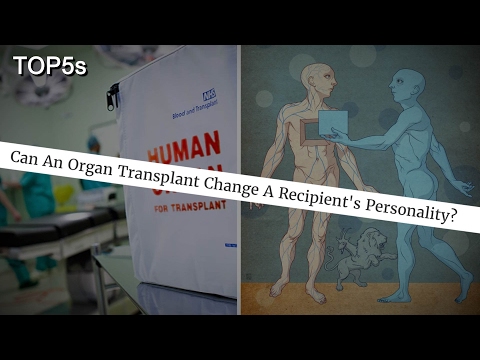
- and in the years after he received his new heart, had shown no signs of unhappiness or depression.
バランスを崩したり、お腹の調子が悪くなったり
- and in the years after receiving his new heart had shown no signs of unhappiness or depression.
そして、彼の新しい心臓を受け取った後の数年間で、彼は不幸や落ち込みの兆候を示していませんでした。