noun
US /naʊn/
・UK /naʊn/
A1 初級
n.名詞名詞
In the sentence, 'the dog eats', the word 'dog' is the noun
動画字幕
【英文法】上級者でも間違える英語の語順・文法ミス5選
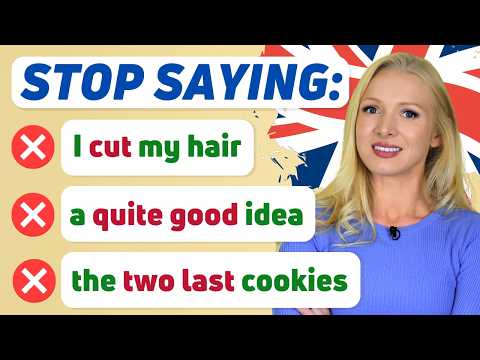
- But, and here's the issue, the words behave differently when the adjective comes before a noun.
主動詞が「to be」の場合、これらの確信を表す副詞は通常、その後に置かれます。「This is probably the best restaurant in the neighbourhood.」のように。短い返答では、これらの副詞を単独で使うこともできます。
- "It's a very big house." "It's quite a big house." "Quite" goes before the article, adjective, and noun.
「それはとても大きな家です。」「それはかなり大きな家です。」「Quite」は冠詞、形容詞、名詞の前に来ます。
BBCニュースレビュー:がんワクチン? (BBC News Review: Cancer vaccine?)

- We've been looking at the word as a noun.
彼女は放射能を発見した。そして、スティーブ・ジョブズはテクノロジーのパイオニアでした。
- We've been looking at the word as a noun.
新しい番組のアイデアがあります。

プロフェッショナル&ビジネス英語:交渉の語彙 (Professional & Business English: Negotiating Vocabulary)

- So, you can make it a verb or you can make it a noun.
だから、動詞にすることもできるし、名詞にすることもできる。
- But again, we can use this expression as a noun, so it involves a bit of give and take by both parties.
しかし、繰り返しになるが、この表現は名詞として使うことができる。
英語で天気について話す方法 - 文法、形容詞、動詞、名詞、イディオム (How to talk about WEATHER in English - grammar, adjectives, verbs, nouns & idioms)
- If you want to talk about a noun, you would say, "There is," "There was," or "There will be." That's present, past, future, plus the noun.
これは私たちが幸運だからです
- If you want to talk about a noun, you would say, "There is," "There was," or "There will be." That's present, past, future, plus the noun.
これは私たちが幸運だからです
混乱しやすい英単語/gyp vs. bilk / リアルなアメリカ英語 / なんてことだ! (CONFUSING VOCABULARY/gyp vs. bilk / REAL-LIFE AMERICAN ENGLISH / what a gyp!)

- She was jipped out of her money. You can also use jip as a noun.
彼女はお金をジップされた。jipは名詞としても使えます。
- You can also use gyp as a noun.
彼女はお金を機械に入れたが、何も出てこなかった。
BBCニュースレビュー:Twitter:数百万人が離脱 (BBC News Review: Twitter: Millions leave)

- Yeah, so "flock" as a noun is a group of birds.
そうなんです。つまり名詞としての「群れ」は鳥の集団でありTwitterのロゴは鳥で、「ツイート」を投稿することを忘れないでください。 ツイート」は、鳥の鳴き声を言葉にしたものです。
- So flock, as a noun, is a group of birds.
【英語学習】この動画を見れば英語がネイティブより上手になる?!

- But as a noun, it's actually pronunciation.
ネイティブスピーカーが「pronounciation」と言っているのを聞くでしょう。
- but as a noun, it's actually pronunciation.
【日常英会話】人を褒める時に使う英語表現 3 選
- One way is, "nice" plus a noun.
1 つ目は、 [ nice + 名詞 ]「いい~だね!」
- One way is "nice" plus a noun.
1 つ目は、 [ nice + 名詞 ]「いい~だね!」