adverb
US /ˈædvɜ:rb/
・UK /ˈædvɜ:b/
動画字幕
アイスランド、火山に備えるBBCニュース (Iceland prepares for volcano: BBC News Review)

- Yeah, because we often use this to talk about the way we do things, we can use the adverb 'frantically' to describe things done in a hurry because you're worried or scared.
そうだね、僕たちは自分たちのやり方について話すときによくこれを使うから副詞'frantically'を使って、急いでやることを表現することができる。 心配だから、怖いから。
- we can use the adverb 'frantically' to describe things done in a hurry
副詞'frantically'を使って、急いでやることを表現することができる。
ASとASを使った英語の描写と比較 (Describing and Comparing Things Using AS and AS in English)

- So in English, we sometimes use the word as, and we put an adjective or adverb, and then we put another as, and we say things like "as flat as a pancake."
だから、英語ではasという言葉を使うことがある。形容詞や副詞を入れ、さらにasを入れる、 パンケーキのように平らだ。
- put an adjective or adverb, and then we put another as,
形容詞や副詞を入れ、さらにasを入れる、
BOX SET:English In A Minute 5 - 10分間の英語レッスン! (BOX SET: English In A Minute 5 – TEN English lessons in 10 minutes!)

- Here, 'fine' is an adverb of manner because it indicates doing something in a satisfactory manner.
ここで「fine」は、何かを満足のいく形で行うことを示すので、「態度の副詞」である。
- In this sentence, 'finely' is an adverb of degree, and it describes how small something needs to be cut up.
もう一度あのレシピを試してみよう。今度は玉ねぎのみじん切りも忘れないよ。それではまた。
BOX SET:English In A Minute 7 - 10分間の英語レッスン! (BOX SET: English In A Minute 7 – TEN English lessons in 10 minutes!)

- We use 'very' to make an adjective or an adverb stronger.
とても古い。それは美しいという良いことかもしれないし、倒れているという悪いことかもしれない。
BOX SET:English In A Minute 6 - 10分間の英語レッスン! (BOX SET: English In A Minute 6 – TEN English lessons in 10 minutes!)

- This sentence follows normal word order. Subject + auxiliary verb + adverb + verb.
この文は通常の語順に従っている。主語+助動詞+副詞+動詞。決して」は否定または
- 'Never' is a negative or limiting adverb. Other examples are 'rarely', 'hardly' and 'not often'.
限定副詞。他の例としては、'rarely'、'hardly'、'not often'などがある。まず、否定副詞
英文法:否定接頭辞 - "un", "dis", "in", "im", "non"
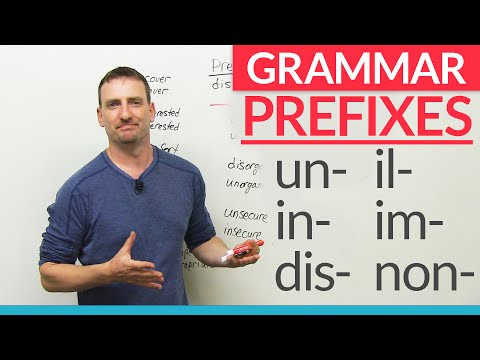
- a word that comes before the main word; can come before an adjective, before an adverb,
主語の前に来る語;形容詞や副詞の前に来ることができる
基本的な英語。BECAUSEとSOの違いを学ぶ

- There's another difference with "so" that I like. That should help you with them. "So" is also an adverb.
私が好きな "so "とのもう一つの違いがあります。それはそれで参考になるはずです。"so "は副詞でもあります。
- And that tells me the range. What we have here is verb plus "so". And that's how we show the adverb, how it works together.
それが範囲を教えてくれるここにあるのは動詞+「だから」です。そうやって副詞を見せていくのですが、それがどのように連携していくのかを示しています。
EXの音を英語で発音する3つの方法 (3 ways to pronounce the EX sound in English)

- a verb, what is a noun, what is an adverb, and what is an adjective, and what we call
動詞とは何か、名詞とは何か、副詞とは何か、形容詞とは何か。
- an adjective, or an adverb or a function. And we have this here to help us figure out which one is which.
形容詞、副詞、機能。どれがどれなのか、これを見れば一目瞭然だ。
英文法 - 語尾 - 接尾辞とは何ですか?

- a noun to an adjective or an adverb, okay? With me so far? It's easy. We're going to
名詞から形容詞や副詞に変えてもいいよね?ここまでは私と?簡単なことだよ。私たちはこれから
- Is it a noun? Is it a verb? Is it an adverb? Is it an adjective? That's it. And by doing
それは名詞ですか?それは動詞ですか?それは副詞ですか?形容詞ですか?それだけです。そうすることで
【英会話】意外と知らない!"too"と"enough"の使い分け(How to use 'too' and 'enough' in English)

- So here we can use: Too + adjective/adverb + infinitive. Now if you're tired of looking
だから too と形容詞や副詞。定型句を見るのに飽きて
- outside." You know, we don't mix it up like that. The pattern is: Too + adjective/adverb
そんなふうに混ぜないんだ。形式は Too+形容詞・副詞