infinitive
US /ɪnˈfɪnɪtɪv/
・UK /ɪnˈfɪnətɪv/
B2 中上級
n.名詞不定詞
He used an infinitive in the next sentence
動画字幕
BOX SET: 1分英会話7 – 10分で10個の英語レッスン! (BOX SET: English In A Minute 7 – TEN English lessons in 10 minutes!)

- Number two: 'remember' plus full infinitive is used when something is to be done in the future.
不定詞は未来に何かをするときに使われる:を忘れないようにしなければならない。
- Its verb pattern is 'remind' plus somebody plus a full infinitive verb,
例えば、somebody+完全不定詞:あなたは私に買い物リストをするよう思い出させなければなりません。
英語の基本文法 - 5つの間違いを見つけよう! : 英語を学ぶ (Basic English Grammar - Find the 5 mistakes! : Learn English)
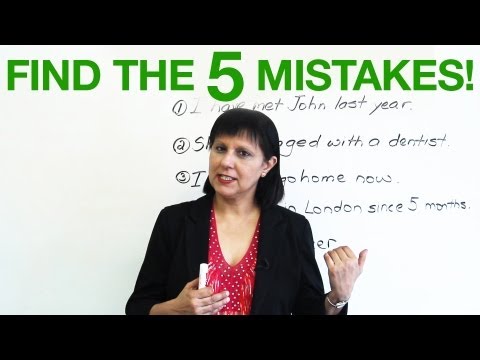
- and not in the infinitive form. We don't need to say "I must to do something." "I must do
と不定詞の形ではありません。we don't need to say "I must to do something." "I must do
- So, you should be saying, "I should go home now." "I must go home now." "I could go home now." But with all these modals, if you the verb that follows should be used directly and not in the infinitive form, all right?
何がいけないの?それにはいくつかの問題がある
BOX SET:1分英会話10 – 10分で学ぶ10の英語レッスン! (BOX SET: English In A Minute 10 – TEN English lessons in 10 minutes!)
- English has something called the infinitive of purpose.
英語には目的不定詞というものがあります。
- 'To explain why we do something' is an infinitive of purpose.
「なぜ何かをするのかを説明する」ことは、目的の不定詞です。
「stop to drink」と「stop drinking」の違いは? #shorts (‘stop to drink’ or ‘stop drinking’? What’s the difference? #shorts)

- When we use stop followed by the infinitive, we stop a different action, and
stop の後に不定詞が続くと、別の行動をやめることになります。
- we start the action in the infinitive.
不定詞が続くと、その行動を始めることになります。
英語を流暢に話せるようになる唯一の方法 (The ONLY way to become FLUENT IN ENGLISH)

- This is a purpose clause, it's not the infinitive because in English grammar, we don't start sentences with the infinitive.
これは目的節であり、不定詞ではない。なぜなら英文法では不定詞で文を始めることはないからだ。
- It's not the infinitive because in English grammar we don't start sentences with the infinitive.
例えば、彼は飛行機の中で少し目を覚ました。
1本で丸わかり!"used to"の使い方

- In affirmative sentences, the structure is: subject, used to, infinitive verb.
昔は一日中パジャマでいることはありませんでした。
- In affirmative sentences, the structure is "subject, used to, infinitive verb."
肯定文では、主語+used to+不定詞の動詞という構造になっています。
よくある英語の間違いトップ5 (The TOP 5 English Mistakes I See)
- In both of these, we have to use the base verb or the infinitive.
その理由はわかっています。
- In both of these, we have to use the base verb or the infinitive.
このどちらの場合も、基本動詞か不定詞を使う必要があります。
基本英語 – DO、DOES、DID の使い方と使い分け (Basic English – How and when to use DO, DOES, and DID)
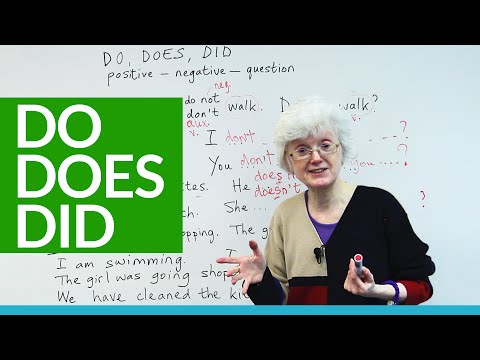
- the main verb from the infinitive "to go". So: "The girl didn't go shopping." Okay? So
不定詞「to go」の主動詞。したがって、「その少女は買い物に行きませんでした。」よろしいですか?
- the base verb, the main verb from the infinitive: "to go".
可能だよ! C1(上級)レベルの英語での毎日のルーティン! (YES, it's possible - Daily Routine at C1 (Advanced) Level of English!)

- And non-finite clauses use verbs in their base form, infinitive, or the ING form, the present participle, without specific subject information.
また、非定形節では、基本形である不定詞、またはING形である現在分詞の動詞が使われ、特定の主語の情報はない。
- And non-finite clauses use verbs in their base form, infinitive, or the -ing form, the present participle, without specific subject information.
では、この段落のもうひとつの構造を見てみよう。