problematically
US
・UK
B2 中上級
adv.副詞問題を起こすような方法で
The machine broke problematically, just when we needed it
動画字幕
トランプ氏がグリーンランドを接収すると脅迫する本当の理由 (The Real Reason Trump is Threatening to Seize Greenland)
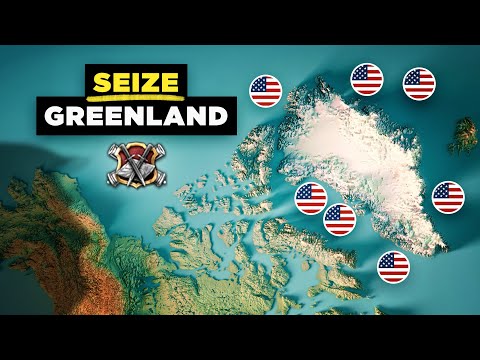
- Undoubtedly much to the preference of Denmark, problematically for Greenland.
これは間違いなくデンマークにとっては望ましいことですが、グリーンランドにとっては問題となります。
- Problematically for Greenland, even if they did get mining operations going in the country with the help of foreign investment, there's no clear way that it would ever benefit local Greenlanders beyond the direct government royalties.
もし米国がデンマークを脇に置いてグリーンランド人を直接購入した場合、そこに住むほぼすべての住民に100万ドルを現金で支払うことができ、すべてのグリーンランド人をプロセスの中で億万長者にすることができるでしょう。
送られなかった手紙の秘められた力 (The Secret Power of Unsent Letters)

- A general principle of mental health is that the less we are able to express, the more unwell we get. It's when we have to stifle our rage, sadness or fear that we start to develop secondary symptoms – sleeplessness, paranoia, bitterness, poor digestion – just as our spirits can lighten and our horizons expand, once we can find a way to lend outward form to our pains. However, the problem is often one of occasions. We may in theory be ready to say and feel all sorts of things, but our outward circumstances may be highly unconducive to free expression. Perhaps the person we'd really like to say something to is dead, or they may, just as problematically, be distracted, fragile or frightening. We then make the error of imagining that there can be no point in speaking and on this basis stifle our emotions to our increasing cost. But this is to miss out on an unexpected quirk of our psyches. What may matter most in many situations is not, as we might think, that the person we need to speak to is actually able to hear what we have to say, but rather that we have a proper, in-depth chance to say it anyway. There can be as much benefit in shouting our feelings to a deserted beach, a large pillow or an empty chair as there would in having a lengthy dialogue with an intimidating parent or an obtuse lover. The best technique in this tradition may be to write a letter that we never send, either because the person in question is no longer alive or because we just have no expectation that what we could write would remotely be understood. The discipline of writing a long letter has the effect of galvanising our hitherto confused and disparate emotions and forces our intelligence to lay out our story in a systematic and emotionally logical way. As we write, we turn what might have been an inchoate sob into something intelligible, plausible, compassion-inducing and moving. We go from I hate you so much or why why why to a full, leisurely recap of how we felt, why we suffered and what the legacy of our injury has been. We can be like a grown-up lawyer making a case in a courtroom of adults on behalf of a frightened or muddled child. We can take our absent reader into the details of a story that they refuse to see existed and may have done their best to silence. We are giving ourselves an opportunity to feel legitimate in our own eyes. We may realise that the real audience we needed all along was ourselves. We suffer unnecessarily when we think that the only form of catharsis is one that can unfold in the physical presence of a person who damaged us. Our freedom is fortunately far greater than this, because the real sceptic we need to win over and explain our full story to is chiefly and crucially always ourselves.
メンタルヘルスの一般的な原則は、表現が乏しければ乏しいほど体調が悪くなるというものだ。怒りや悲しみや恐怖を押し殺さなければならないとき、不眠、被害妄想、苦味、消化不良といった二次的な症状が現れ始める。しかし、問題はしばしば機会の問題である。理屈の上ではいろいろなことを言ったり感じたりする準備ができていても、外側の状況が自由な表現を非常に妨げていることがある。もしかしたら、本当に何かを言いたい相手は死んでいるかもしれないし、同じように、気が散っていたり、壊れやすかったり、怖かったりするかもしれない。そのよう
- Perhaps the person we'd really like to say something to is dead, or they may, just as problematically, be distracted, fragile, or frightening.
病気!クラッシュコース世界史 203 (Disease! Crash Course World History 203)
- It's only after we see migration out of Africa and into regions less amenable to diseases, about 64,000 years ago, that we start to see the growth of human populations necessary to create what we problematically call civilizations.
アフリカを出て、病気にかかりにくい地域へ移住し始めたのは、約6万4千年前であり、私たちが問題のある形で文明と呼ぶものを創造するために必要な、人類の人口増加が見られるようになります。
- that we start to see the growth of human populations necessary to create what we, problematically, call civilizations.